
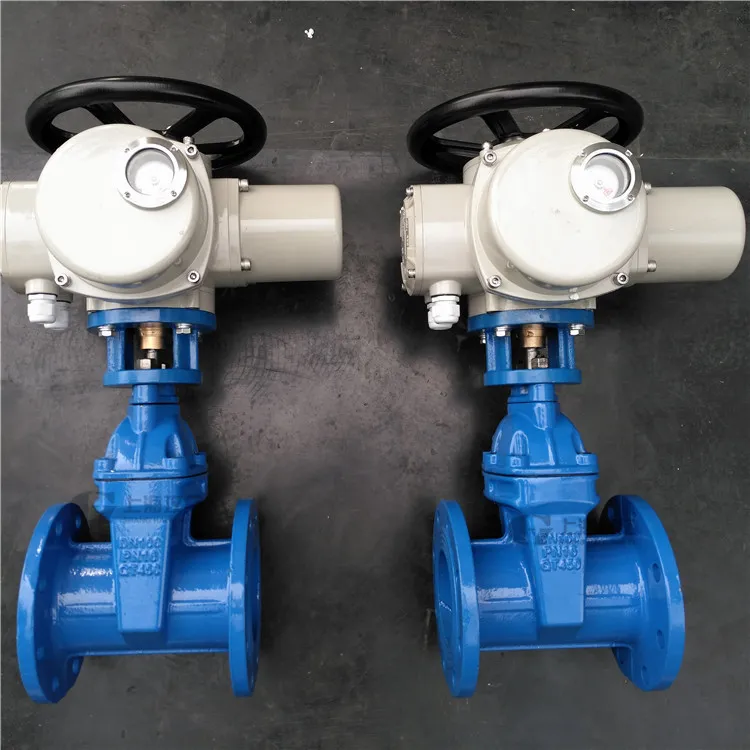
double glazed glass panels prices
Pipe fitting saddle clamps are an essential component in the realm of plumbing and industrial piping systems. These versatile devices serve as a means to attach additional pipes, valves, or instruments to an existing pipeline without the need for extensive modification or disruption of the system's operation. In this article, we delve into the significance, types, applications, and benefits of pipe fitting saddle clamps, underscoring their pivotal role in maintaining efficient and secure fluid transportation networks. Understanding Pipe Fitting Saddle Clamps A pipe fitting saddle clamp, also known as a pipe saddle or branch saddle, is a specialized attachment designed to provide a secure mounting point on the surface of a pipe. It typically consists of two primary components a saddle piece that fits snugly around the pipe and a branch outlet where a secondary pipe or fitting can be connected. These clamps are made from various materials including stainless steel, carbon steel, plastic (such as PVC or CPVC), or even cast iron, depending on the specific application requirements and the type of fluid being transported. Types of Saddle Clamps Pipe fitting saddle clamps come in several forms to accommodate different pipe sizes, materials, and connection needs 1. **Welded Saddle Clamps** Designed for permanent installations, these clamps are welded directly onto the main pipeline, providing a robust and long-lasting connection point. 2. **Bolted Saddle Clamps** These use bolts or screws to fasten the saddle onto the pipe, allowing for easier installation and potential repositioning if needed. 3. **Clamp-On Saddle Fittings** A more temporary solution, these clamps utilize a tightening mechanism such as a screw or bolt to secure the fitting without welding or invasive modifications. 4. **Insulation Saddle Clamps** Specifically designed for pipes with insulation, these clamps feature an enlarged saddle to accommodate the additional thickness while maintaining a secure fit. Applications and Uses Pipe fitting saddle clamps find extensive use across various industries, including but not limited to - **Plumbing Systems** For adding branches to water supply lines, facilitating repairs or extensions without interrupting service Applications and Uses Pipe fitting saddle clamps find extensive use across various industries, including but not limited to - **Plumbing Systems** For adding branches to water supply lines, facilitating repairs or extensions without interrupting service Applications and Uses Pipe fitting saddle clamps find extensive use across various industries, including but not limited to - **Plumbing Systems** For adding branches to water supply lines, facilitating repairs or extensions without interrupting service Applications and Uses Pipe fitting saddle clamps find extensive use across various industries, including but not limited to - **Plumbing Systems** For adding branches to water supply lines, facilitating repairs or extensions without interrupting service pipe fitting saddle clamp . - **Oil & Gas Industry** In pipelines for monitoring equipment installation, leak detection sensors, or adding auxiliary piping for chemicals injection. - **Chemical Processing** To introduce process control instruments or sampling points while ensuring leak-tight seals in corrosive environments. - **HVAC Systems** For connecting drain lines or adding refrigerant lines to cooling systems. Benefits The adoption of pipe fitting saddle clamps offers several advantages over traditional methods of pipe branching - **Ease of Installation** They allow for quick and straightforward attachment without requiring extensive pipe cutting or complex welding procedures. - **Cost-Effectiveness** By minimizing downtime and reducing the need for specialized labor, saddle clamps can significantly reduce overall project costs. - **Versatility** Available in various sizes and materials, they can be tailored to suit any piping system’s specifications and operational demands. - **Safety and Integrity** Properly installed saddle clamps ensure leak-proof connections, critical in handling hazardous fluids or gases. - **Maintenance and Modification** They facilitate future system modifications or maintenance tasks by enabling easy access and adjustments. In conclusion, pipe fitting saddle clamps are indispensable tools in modern piping infrastructure. Their adaptability, combined with the ability to enhance system efficiency and safety, underscores their importance across diverse industrial and commercial applications. Whether in new constructions or retrofit projects, saddle clamps offer a reliable and efficient means of expanding or modifying piping networks while preserving the integrity and functionality of the system. As technology advances, so too will the design and capabilities of these essential components, further solidifying their position as a cornerstone of efficient fluid transportation solutions.
about
double glazed glass panels prices
OEM Right Angle Brackets Essential Components for Structural Integrity In the realm of manufacturing and engineering, ensuring structural integrity and reliability is paramount. Among the myriad of components that contribute to this objective, right angle brackets stand out as fundamental elements in a wide range of applications. Specifically, Original Equipment Manufacturer (OEM) right angle brackets play a crucial role in providing stability and strength to various structures and assemblies. This article delves into the significance, applications, and considerations involved in the use of OEM right angle brackets. What Are Right Angle Brackets? Right angle brackets are L-shaped metal or plastic components used to support and connect two surfaces at a right angle, typically 90 degrees. Their robust design allows them to withstand significant loads while maintaining the alignment of the joined components. These brackets are a staple in construction, furniture assembly, and a plethora of industrial applications. The OEM designation indicates that these brackets are produced by a specific manufacturer under strict quality standards, ensuring they meet the unique requirements of intended applications. Importance of OEM Right Angle Brackets 1. Quality Assurance One of the primary advantages of using OEM right angle brackets is the assurance of quality. OEM manufacturers adhere to strict quality control processes, ensuring that each bracket meets industry standards and specifications. This reliability is vital, particularly in critical applications where structural failure could result in significant losses. 2. Customization OEM right angle brackets can be tailored to meet specific requirements, including size, material, and load capacity. This customization makes them invaluable in industries with unique project demands. Whether it’s a robust bracket for heavy machinery or a lightweight solution for furniture assembly, OEM manufacturers can provide the necessary specifications. 3. Cost-Effectiveness While the initial investment in OEM components may be higher than generic alternatives, the long-term benefits often outweigh the costs. The durability and performance of OEM right angle brackets can lead to reduced maintenance and replacement costs, ultimately enhancing a project’s overall economic viability. Applications of OEM Right Angle Brackets OEM right angle brackets find utility across various sectors, including - Construction In building frameworks, these brackets ensure the proper alignment and support of vertical and horizontal structures. They are commonly used in framing, shelving, and roofing applications. oem right angle brackets - Furniture Assembly of furniture often utilizes right angle brackets to enhance stability and longevity. From bookshelves to tables, these brackets maintain structural integrity while allowing for stylish designs. - Automotive and Aerospace In the automotive and aerospace industries, OEM right angle brackets are crucial for mounting components and ensuring safety . These brackets are engineered to withstand rigorous conditions and high-stress environments. - Electrical and HVAC Right angle brackets also play a vital role in supporting electrical panels and HVAC units. They facilitate the secure installation of equipment, contributing to overall safety and functionality. Considerations for Choosing OEM Right Angle Brackets When selecting OEM right angle brackets, several factors should be taken into account 1. Load Capacity It is essential to determine the weight and load that the brackets will support. Consulting with manufacturers can help identify the appropriate specifications. 2. Material The choice of material—steel, aluminum, plastic, or other composites—will impact the bracket's strength, weight, and corrosion resistance. The operating environment should govern this choice. 3. Compatibility Ensure that the dimensions and design of the brackets are compatible with the components they will support. Proper fitting is crucial for effective load distribution. 4. Finish and Coating Depending on the intended use, considering finishes such as galvanization or powder coating will improve durability and resistance to environmental factors. Conclusion OEM right angle brackets are indispensable components that enhance structural integrity across diverse applications. With their quality assurance, customization options, and long-term cost-effectiveness, they stand as a preferred choice for engineers and manufacturers alike. As industries continue to evolve, the importance of reliable and robust support systems remains steadfast, making OEM right angle brackets an essential element in engineering solutions. With thoughtful selection and application, these brackets can contribute significantly to the success and longevity of any project.
-

High quality industrial productsagement

High quality industrial products
View Details -

Meet the diverse needs of customers

Meet the diverse needs of customers
View Details -

Strict quality control

Strict quality control
View Details -

Top raw materials

Top raw materials
View Details -

Trusted supplier

Trusted supplier
View Details
Our application


news and information
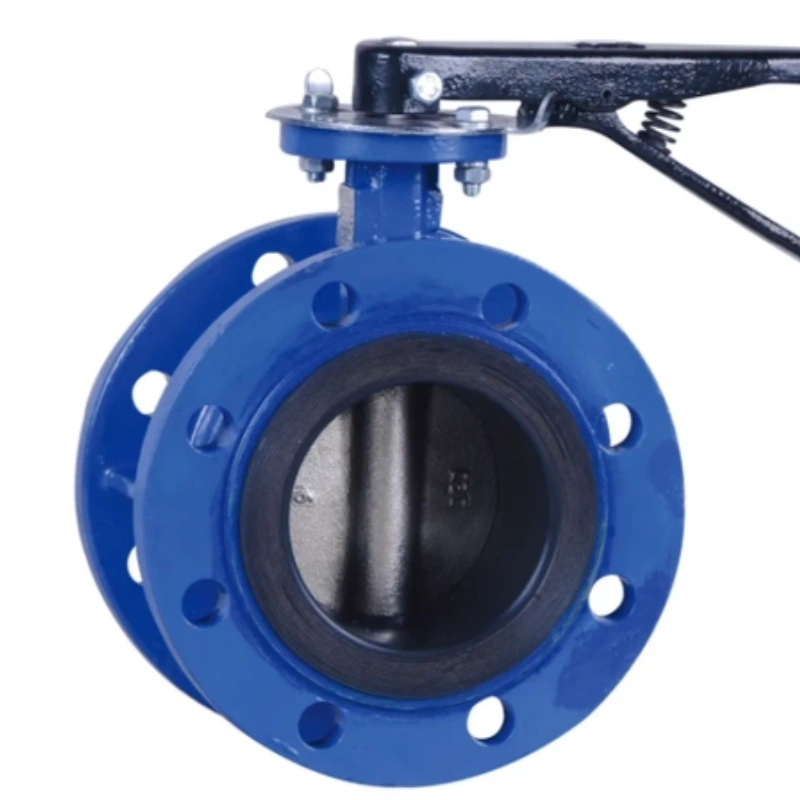
y type strainer filter,,10
Y Type Strainer Filter A Compreensive Guide Y Type Strainer Filter has become an essential tool in
welding tables should be made of
The Importance of Welding Tables Material Considerations Welding is an essential process in various
Van cửa niêm phong mềm điện
Van cổng 150mm, một trong những sản phẩm quan trọng trong ngành công nghiệp, đóng vai trò tối ưu hóa
 English